

Spring may still feel far away in parts of the country, but March is usually the perfect time to start preparing your yard for the growing season.
As temperatures slowly warm and soil begins to thaw, the work you do now can make a huge difference in how healthy your lawn looks throughout the year.
A few simple early-season tasks can improve soil health, reduce weeds, and encourage thicker grass growth.
Below is a simple spring lawn care checklist homeowners can follow to get their yard ready for the months ahead.
Quick Answer: What Should You Do to Prepare Your Lawn in March?
The five most important steps to prepare your lawn for spring in March are:
-
Remove leaves and winter debris.
-
Mow once growth begins to encourage thicker turf.
-
Remove excess thatch if it exceeds ½ inch.
-
Aerate compacted soil to improve root health.
-
Apply crabgrass preventer before soil temperatures reach 55°F.
These early steps help improve soil health, prevent weeds, and encourage stronger grass growth throughout the season.
1. Clean Up Winter Debris

Winter often leaves behind a layer of leaves, sticks, and organic debris across lawns and garden beds.
Before grass begins actively growing again, it’s important to clear this material away.
Removing debris allows sunlight, air, and moisture to reach the soil, which encourages healthy grass growth.
What to Do
-
Rake leaves and sticks from lawns and flower beds.
-
Remove dead plant material from garden beds.
-
Lightly mow if the grass has already started growing.
If you grow plants like Hostas, it’s best to clean their beds early in the season. Waiting too long may damage delicate new shoots while raking.
2. Give Your Lawn Its First Early-Season Mow

Once grass starts growing again, an early mowing helps stimulate root development and promote thicker turf.
Early spring mowing can also reduce early weed pressure.
Helpful Mowing Tips
-
Mow slightly shorter early in spring to discourage weeds.
-
Avoid cutting more than one-third of the grass blade at once.
-
Raise your mower height in summer to protect roots from heat.
Taller grass during warmer months helps shade the soil and retain moisture, reducing stress on your lawn.
3. Check for Thatch Buildup

Over time, small pieces of dead grass accumulate between the soil surface and the living grass blades. This layer is called thatch.
A small amount of thatch is beneficial because it eventually breaks down and adds nutrients back into the soil. However, too much thatch can prevent water, oxygen, and nutrients from reaching the roots.
How to Check
Dig a small section of lawn and measure the spongy layer between the grass and soil.
If the thatch layer is ½ inch or thicker, it may weaken your lawn and should be removed.
How to Remove Thatch
-
Use a dethatching rake for small areas.
-
Rent a dethatching machine for larger yards.
Most homeowners do not need to dethatch every year—only when the buildup becomes excessive.
4. Aerate to Improve Soil Health

Compacted soil can limit the flow of
water, nutrients, and oxygen to your grass roots.
Aeration helps solve this problem by removing small plugs of soil, allowing the lawn to breathe and absorb moisture more effectively. Lawn aeration is especially helpful for clay soils or high-traffic yards, where soil compaction tends to develop more quickly. After aerating, watering your lawn helps moisture reach the newly opened soil channels more effectively. If rain isn’t in the forecast, a light watering after aeration can help reduce stress and move moisture into the root zone.
Benefits of Lawn Aeration
-
Improves water absorption.
-
Encourages deeper root growth.
-
Reduces soil compaction.
-
Helps fertilizers work more effectively.
Many homeowners aerate once in spring and once in fall, depending on soil conditions and lawn traffic.
Aeration machines are commonly available to rent from home improvement stores.
Dethatching removes the layer of dead material sitting above the soil. Aerating relieves compaction below the surface by removing plugs of soil.
5. Apply Crabgrass Preventer and Fertilizer

When soil temperatures approach 55°F, crabgrass seeds begin to germinate. In many regions, this soil temperature threshold occurs between mid-March and early April, depending on the climate. A simple soil thermometer or local soil-temperature tracker can help you time this step more accurately.
Applying a crabgrass preventer with fertilizer before this happens can stop weeds before they start.
After applying the product, it needs to be watered into the soil so the protective barrier can activate properly. Using a high-flow garden hose and reliable watering tools helps ensure the treatment is distributed evenly across the lawn.
Once the product has been watered in, avoid disturbing the soil surface. Raking, digging, or aggressive lawn work can break the barrier and reduce the effectiveness of the crabgrass prevention.
If you plan to overseed your lawn, skip this step. Crabgrass preventers will also stop new grass seed from germinating.
Pro Tips for Early Spring Lawn Success
A few additional tips can help your lawn get off to a strong start this season.
Avoid Overwatering
In early spring, most lawns receive enough moisture from rainfall and melting snow. Only water if the soil becomes unusually dry.
Water Deeply When Needed
If your lawn does need watering, apply enough water to soak the soil rather than lightly watering the surface. Deep watering encourages stronger root development.
Get Your Watering Equipment Ready for Spring
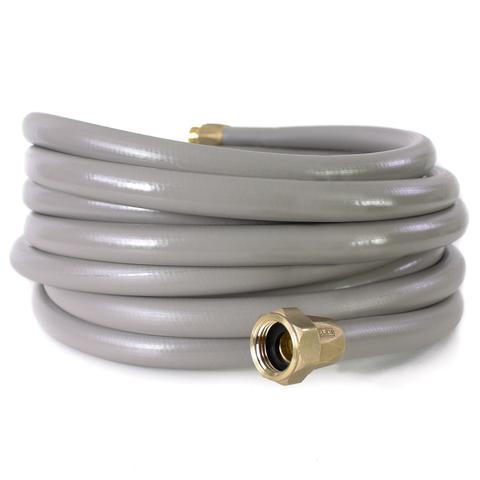
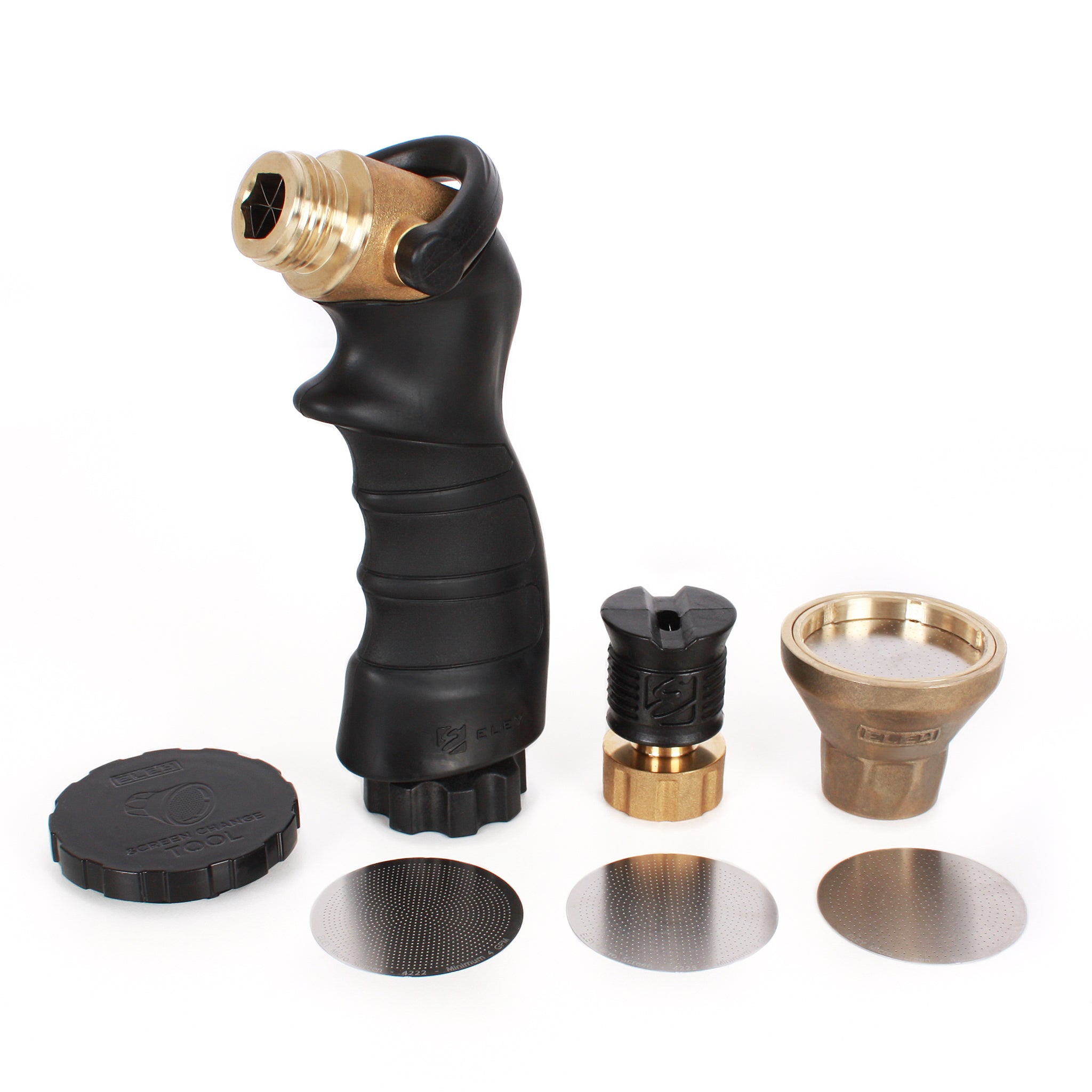
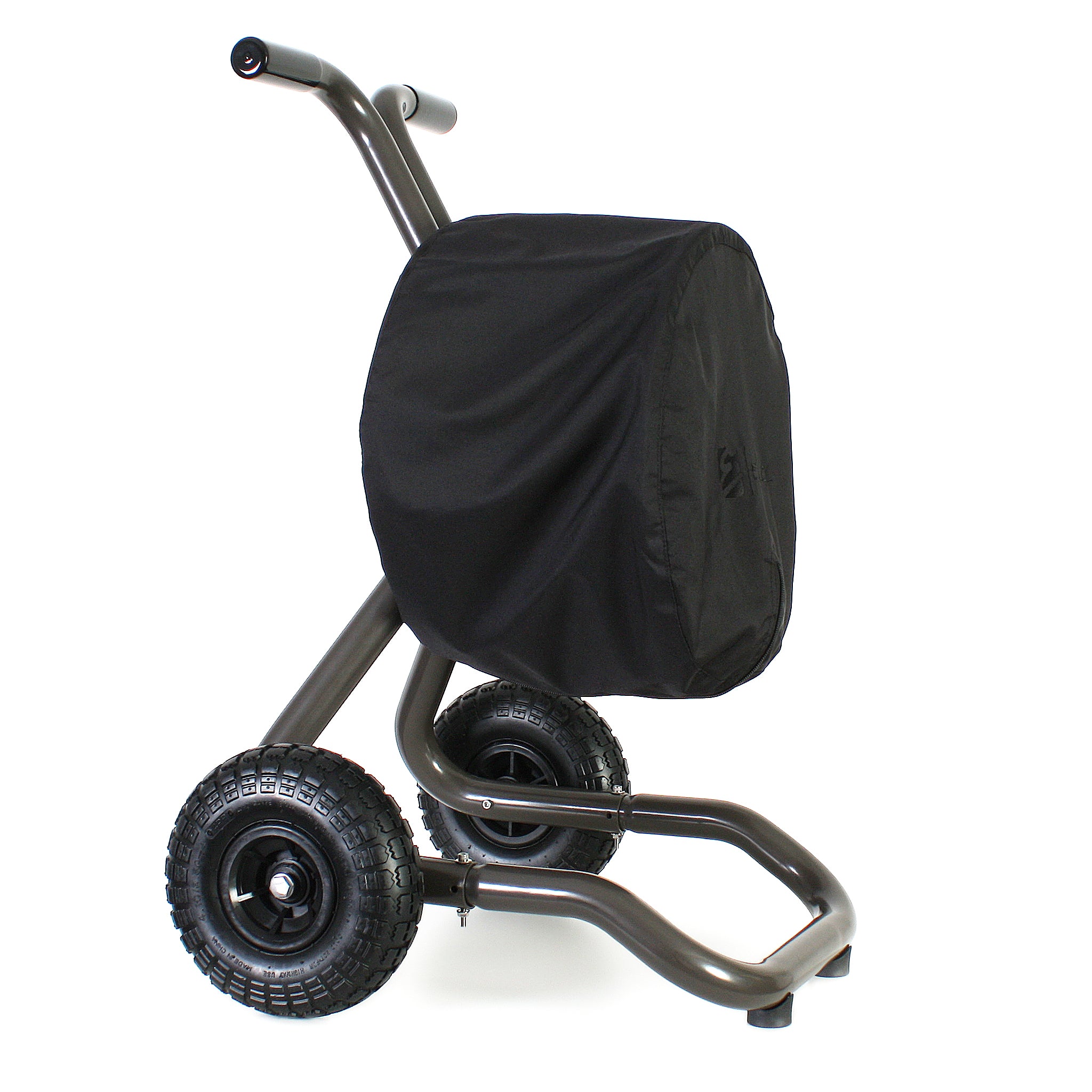
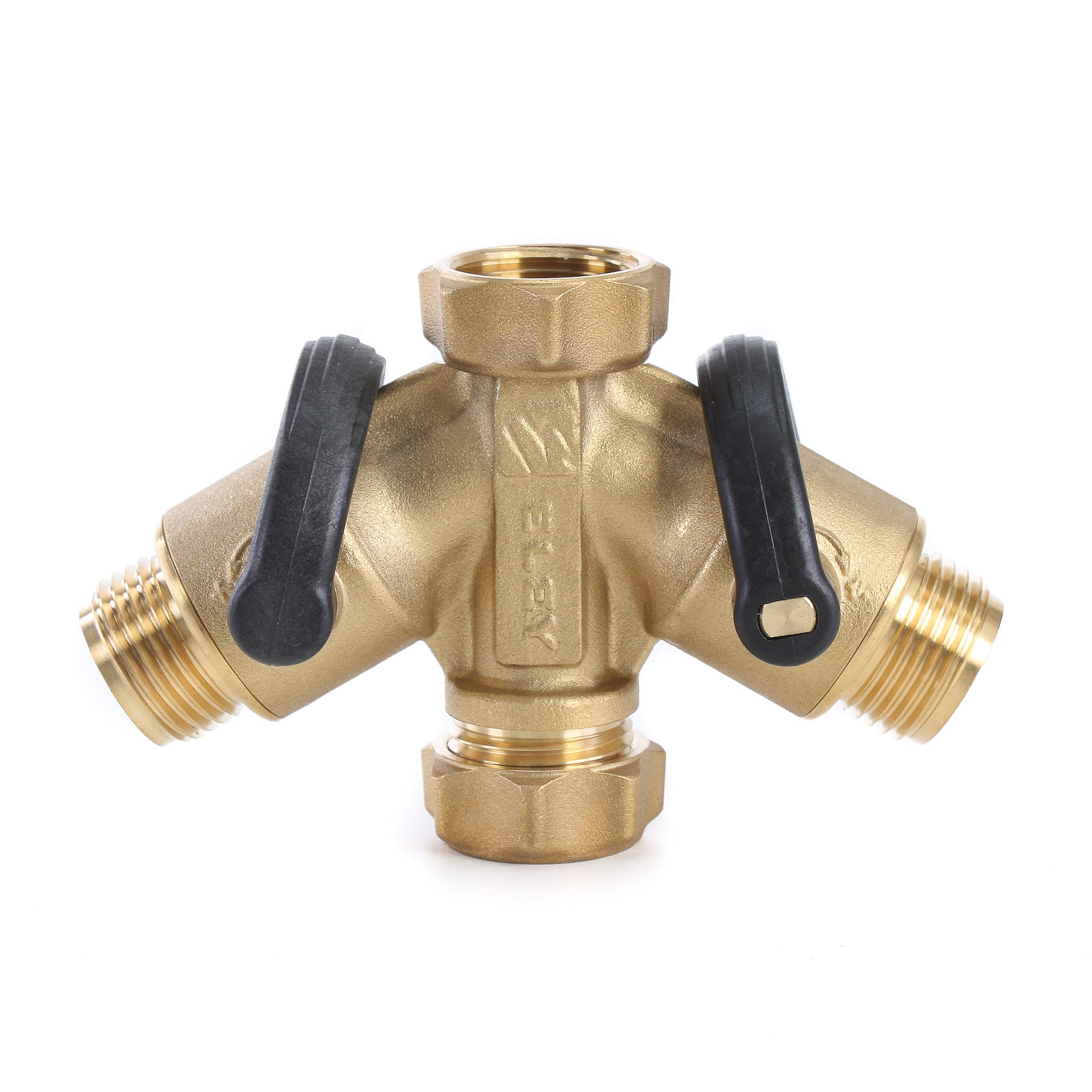
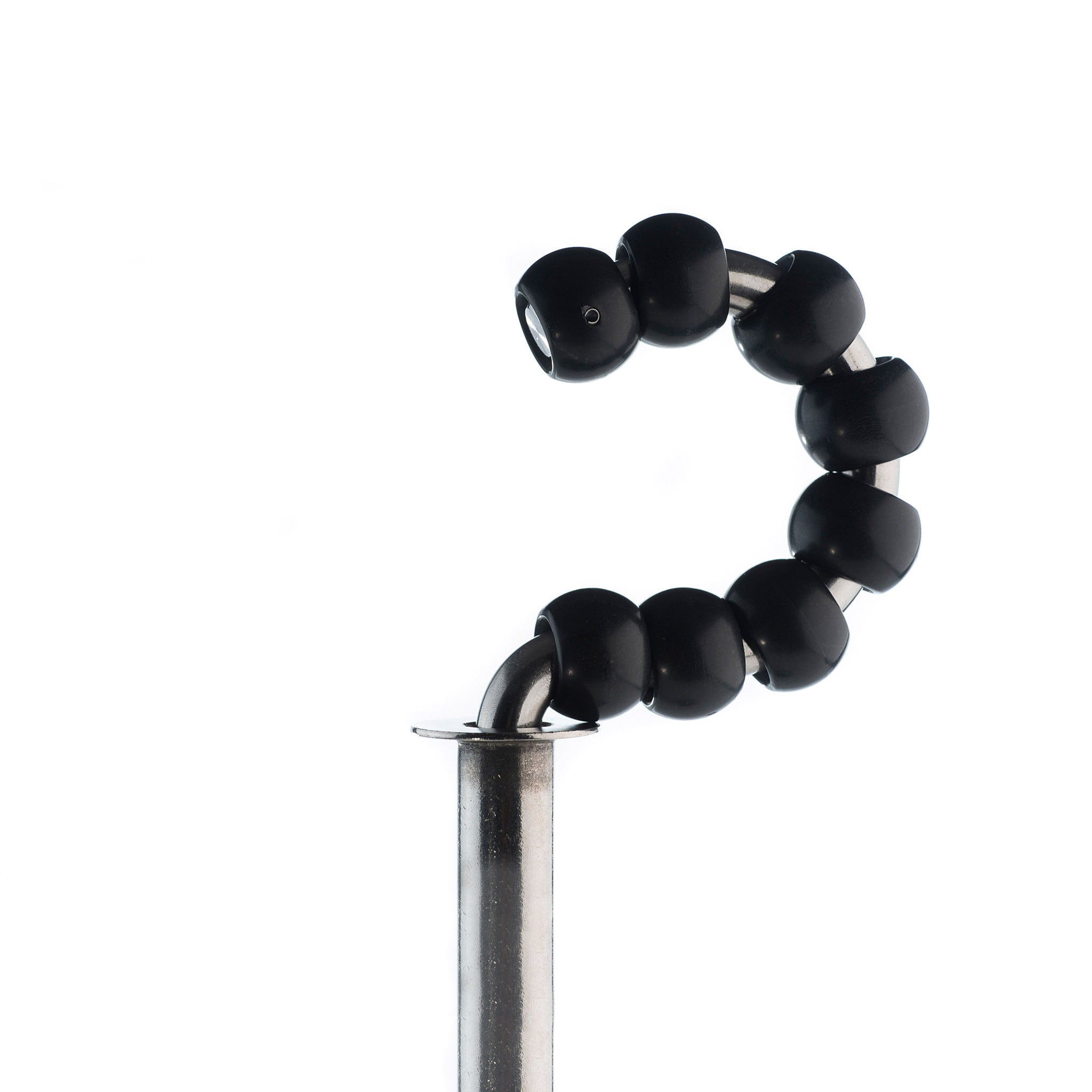
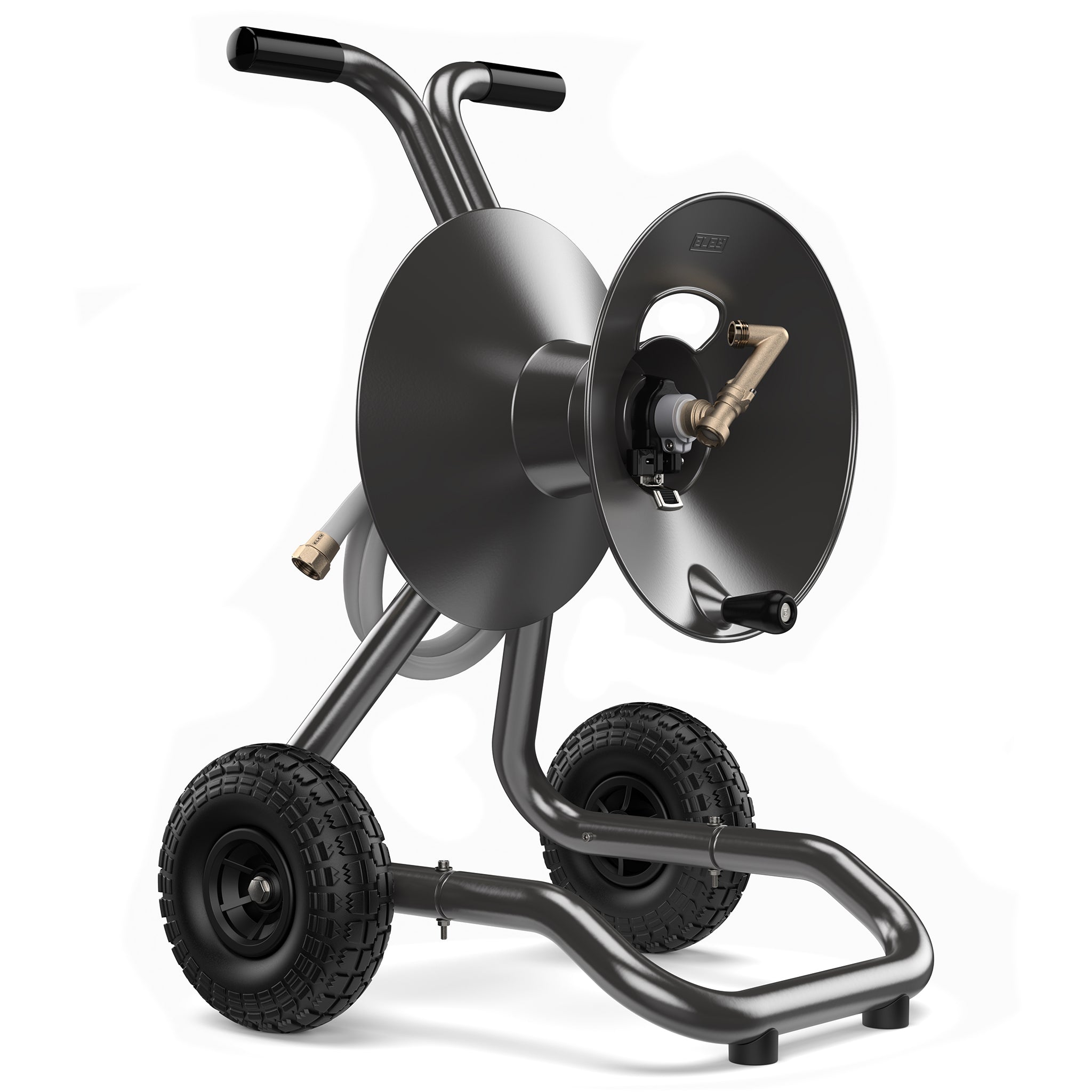
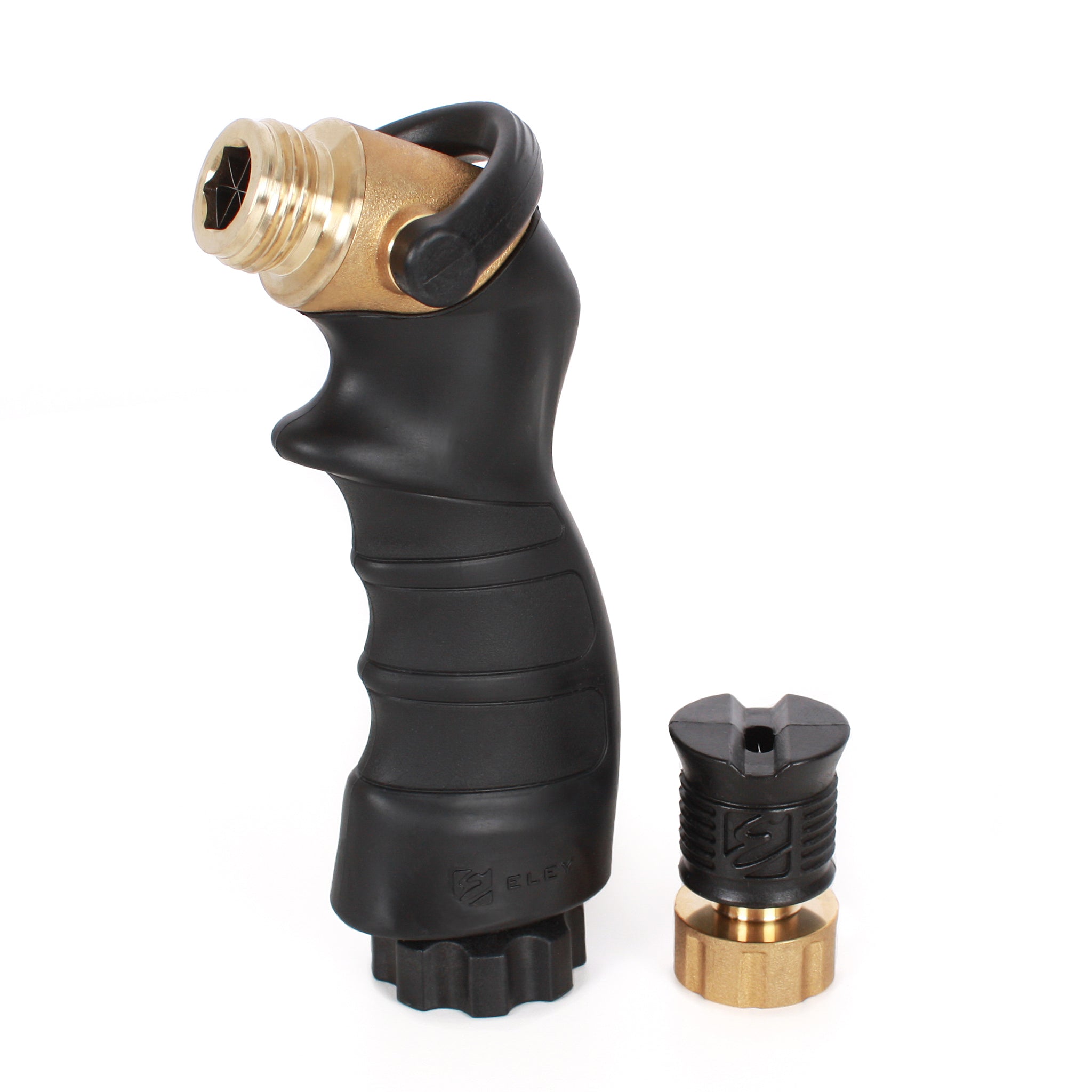
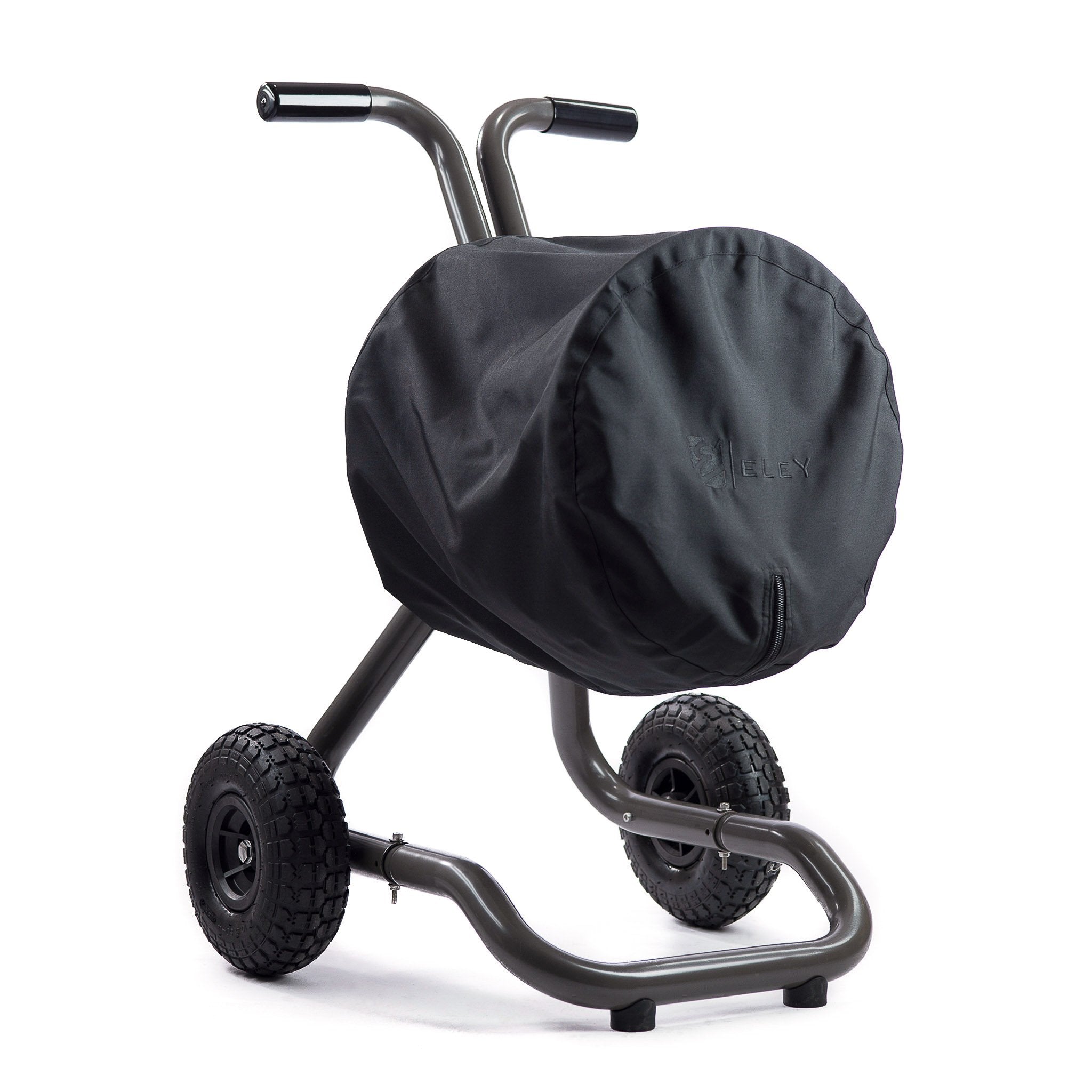
Spring is a good time to inspect your hose, nozzle, and hose reel so your watering setup is ready when warmer weather arrives.
Inspect Your Watering Equipment for Problems

Spring is the perfect time to look for signs of wear or damage in your watering tools. A quick inspection now can help prevent frustrating leaks or watering problems later in the growing season.
Look for common issues such as:
-
Leaking hose connections
-
Cracked spray nozzles
-
Kinked or aging hoses
-
Rusty or unstable hose reels
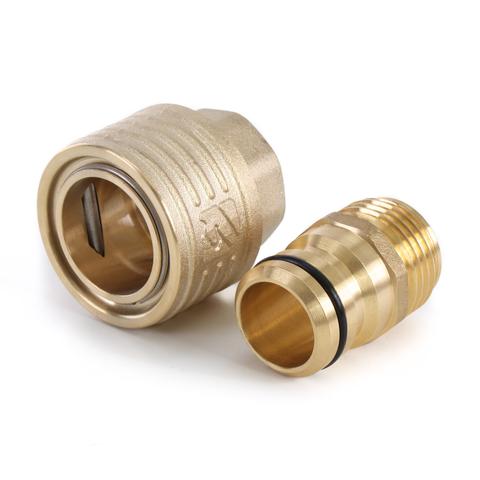
Small problems like worn washers or loose fittings can often be fixed quickly. Replacing a hose washer, nozzle gasket, or damaged fitting may stop leaks and restore proper water flow.
If you already own ELEY watering equipment and notice leaks or damage after winter, the issue may be related to freeze damage. You can review our winter freeze damage guide to help diagnose the problem and determine the next steps.
If your current watering setup is older, leaking frequently, or difficult to manage, upgrading to a durable garden hose and hose reel system can make lawn care easier and more efficient throughout the season.
Upgrade Your Watering Setup

Replacing worn equipment before the busy watering season begins can save time and prevent frustrating problems later in the year.
Leaks, kinks, and unstable hose reels can reduce water pressure, waste water, and make routine yard work more difficult than it needs to be.
Upgrading to high-quality watering tools helps maintain consistent water flow, easier hose management, and reliable performance throughout the growing season.
ELEY watering equipment is built from rust-proof aluminum and commercial-grade brass components designed for years of outdoor use and backed by a 10-year warranty for long-term reliability.
If your current setup is leaking, kinking, or becoming difficult to manage, upgrading to ELEY hose reels, garden hoses, and watering tools can provide a more durable, dependable watering system for the seasons ahead.
Spring Lawn Care Summary
Spring lawn care doesn’t have to be complicated. Completing a few simple tasks early in the season—cleaning debris, mowing, dethatching, aerating, and preventing crabgrass—can make a big difference in how your lawn performs throughout the year.
Taking the time to prepare your yard now helps ensure thicker grass, fewer weeds, and a healthier lawn year-round.
Frequently Asked Questions
When should I start spring lawn care? +
Most homeowners should begin spring lawn care in early to mid-March, once the snow melts and the soil begins warming.
Can you mow your lawn too early in spring? +
Yes. If the soil is still frozen or soggy, or the grass has not yet started growing, mowing can damage turf and compact the soil. Wait until the lawn is dry and actively growing before the first cut.
How do I know if my lawn needs dethatching? +
If the thatch layer is ½ inch or thicker, it may block water and nutrients from reaching the roots and should be removed.
Is aeration necessary every year? +
Lawns with heavy foot traffic or clay soil benefit from annual aeration, while other lawns may only need it every few years.
Should I seed my lawn in spring or fall? +
Fall is generally the best time for overseeding because crabgrass prevention products used in spring will also stop grass seeds from germinating.
At what temperature does crabgrass start growing? +
Crabgrass begins germinating when soil temperatures reach around 55°F.
Written by the ELEY team — experts in professional-grade garden hoses, hose reels, and watering equipment.