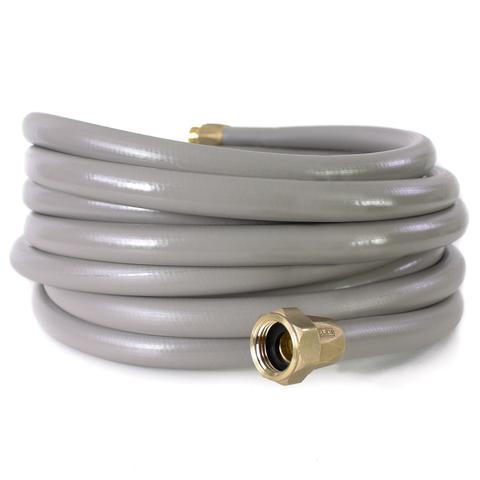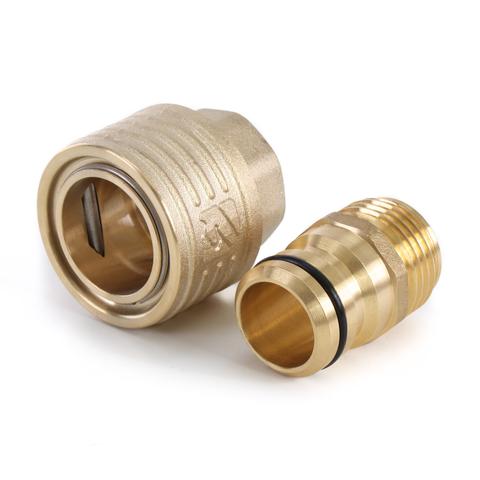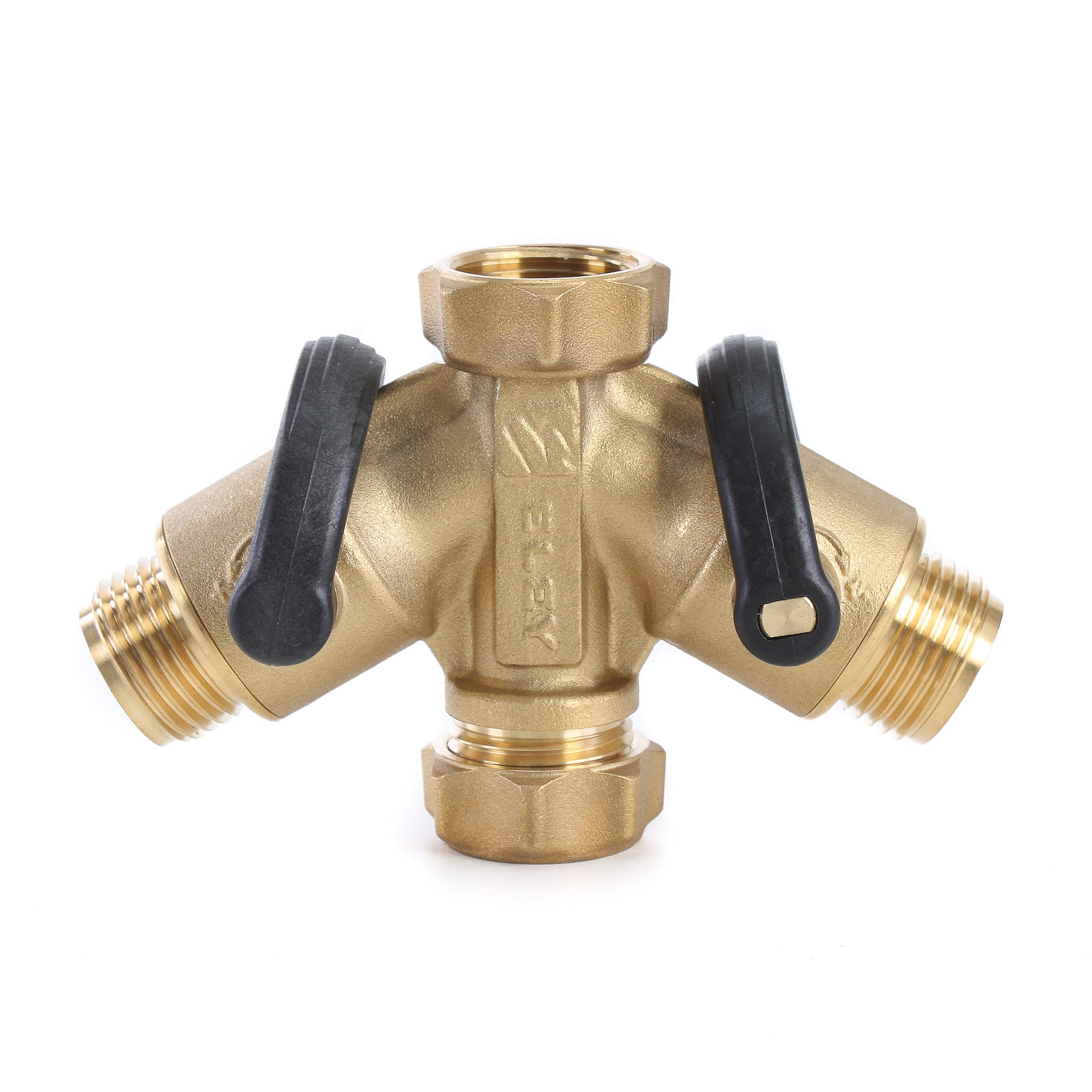
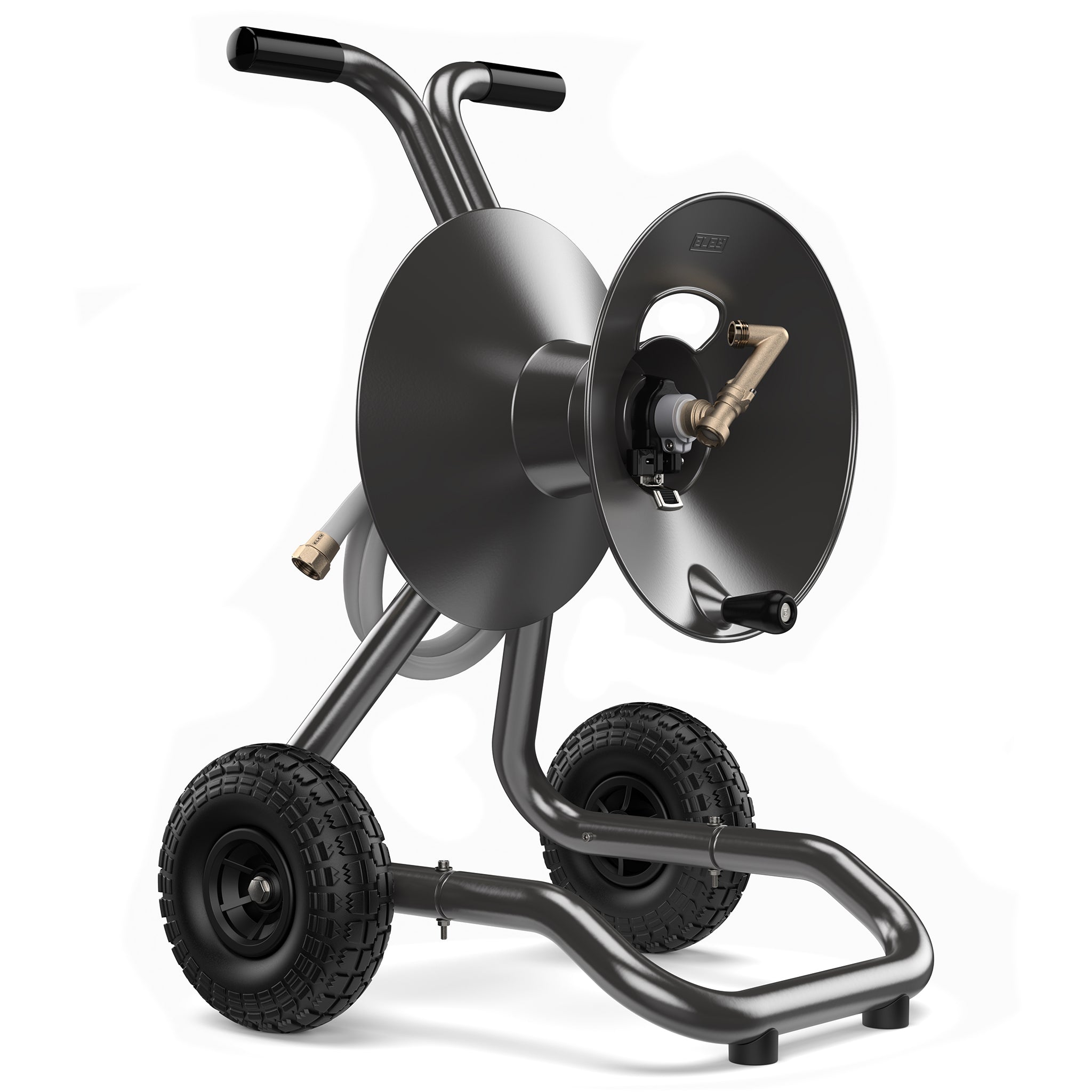
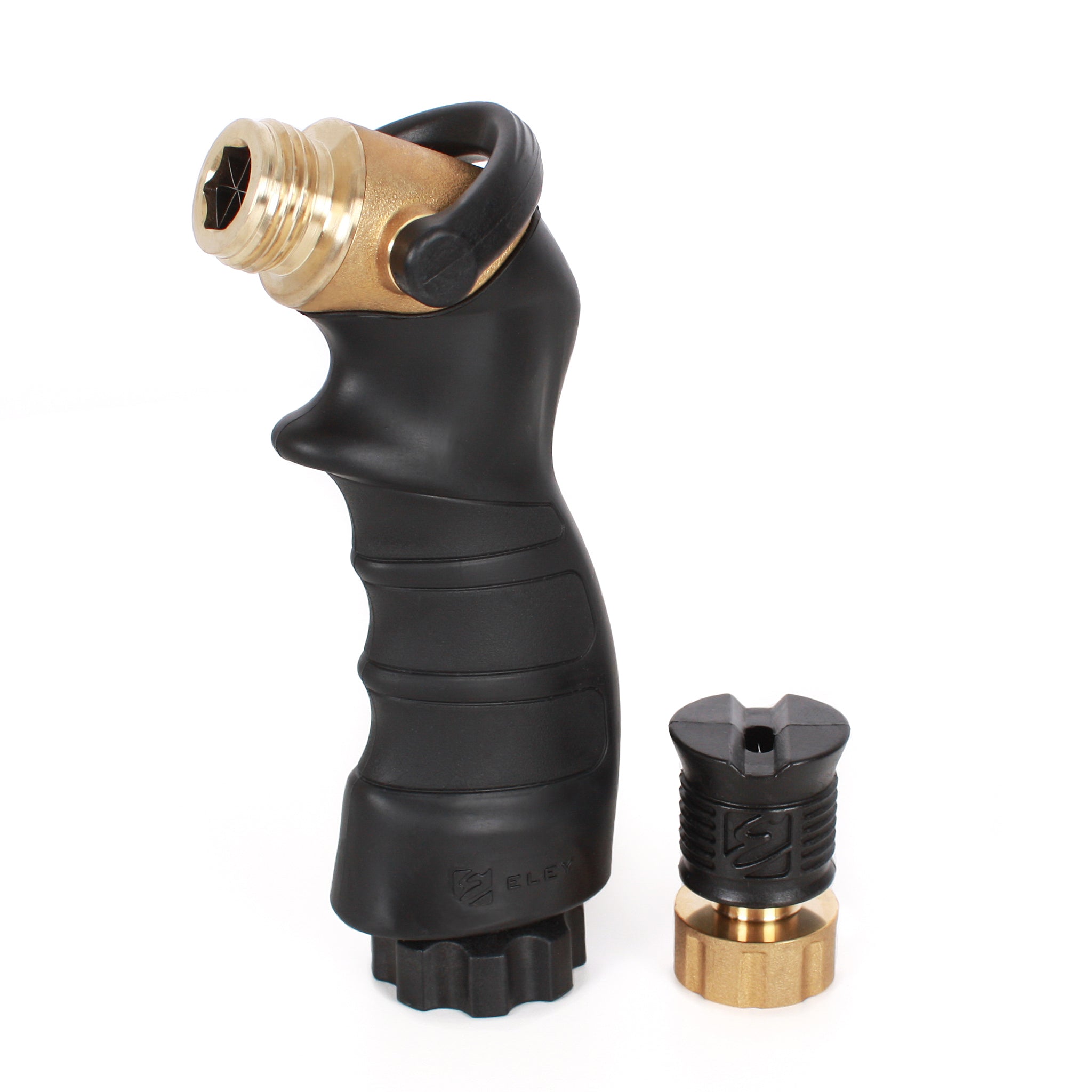


If the brass components on your hose reel or watering equipment have developed brown spots, darker areas, or green or blue-green discoloration, you may be seeing natural tarnish or patina.
Brass does not always stay bright and golden when exposed to the outdoors. Over time, its appearance can change as the metal reacts with oxygen, moisture, minerals, salts, pollutants, and other substances in its environment.
That discoloration can take several forms. Some brass develops scattered brown spots. Other pieces gradually become darker or duller. Under certain environmental conditions, green or blue-green areas may eventually appear.
For ELEY products, this type of surface discoloration is generally cosmetic and does not affect the performance of the brass component.
So why does it happen, should you remove it, and what is the safest way to clean it?
What Are Brass Tarnish and Patina?
Brass is an alloy made primarily from copper and zinc. Both metals can react with substances in their surrounding environment. As those reactions occur, the surface of the brass gradually changes.
Two terms are commonly used to describe these changes:
Tarnish generally refers to a thin layer of surface discoloration that develops as brass reacts with its environment. It may appear as dulling, brown spots, darker areas, or uneven coloration.
Patina is a broader term for the surface changes that develop as brass ages and is exposed to its environment. Depending on the conditions, patina may appear brown, dark brown, blackish, green, blue-green, or as a combination of colors.
Green or blue-green corrosion products on copper-containing metals are often referred to as verdigris, but brass does not have to turn green to develop patina. Brown or dark tarnish is also very common.

Why Does Brass Change Color?
The rate and appearance of brass discoloration depend largely on the environment in which the component is used.
Moisture and Humidity
Water and humidity are major contributors to surface reactions on brass.
Outdoor watering equipment naturally encounters water frequently, and brass components exposed to prolonged moisture or high humidity may discolor more quickly than brass kept clean and dry.
Repeated cycles of getting wet and drying can also leave minerals and other substances behind on the surface.
Air and Environmental Pollutants
Brass can react with compounds in the surrounding air, gradually causing its bright gold surface to dull or develop brown, dark, green, or blue-green areas.
Environmental conditions vary significantly by location, which is why two identical brass components may age very differently.
Minerals in Water
Water itself can leave material behind.
Calcium, magnesium, and other minerals found in hard water may accumulate on watering equipment as water evaporates. These deposits are not necessarily brass patina, but they can appear alongside tarnish and make a fitting look cloudy, spotted, chalky, or uneven.
Salt Air and Coastal Environments
Coastal environments can be particularly demanding on outdoor metal components.
Salt carried through the air can settle on hose reels, fittings, watering tools, and other outdoor surfaces. When salt deposits remain on a surface and combine with moisture and high humidity, they can create conditions that accelerate corrosion and discoloration.
If you live in a coastal environment—or notice salt residue accumulating on your outdoor equipment—periodic cleaning becomes especially important.

Is Brass Tarnish or Patina Harmful?
Normal brass tarnish and patina are generally cosmetic and do not affect the performance of the component.
Brown spotting, darkening, and some green or blue-green discoloration can all develop naturally as brass is exposed to outdoor conditions.
Normal tarnish and patina are considered cosmetic surface changes associated with oxidation and environmental exposure and are not covered under the ELEY warranty.
However, not every type of discoloration should automatically be treated as normal patina.
Pink or salmon-colored brass can sometimes indicate dezincification, a form of corrosion in which zinc is selectively removed from the brass. This can occur under certain corrosive conditions, including prolonged exposure to chlorides or salts, acidic environments, or aggressive water chemistry.
If brass is in direct contact with aluminum and the fitting becomes difficult or impossible to separate, galvanic corrosion may be the cause. This occurs when dissimilar metals remain in contact in the presence of moisture and is different from normal tarnish or patina.
For more information, see our guide to Galvanic Corrosion in Hose Fittings: Causes, Prevention & Repair Options.
How to Clean Tarnish and Patina From Brass
For routine maintenance, start by cleaning the brass with mild dish soap and warm water. This helps remove dirt, salt residue, minerals, and other contaminants from the surface.
- Mix a small amount of mild dish soap with warm water.
- Gently clean the brass with a soft cloth or soft-bristled brush.
- Rinse thoroughly with fresh water.
- Dry the brass completely.
Keep in mind that soap and water may clean the surface, but it usually will not remove established tarnish or patina or restore brass to a bright, polished finish.
If you want to remove visible tarnish or brighten the brass, use a commercial cleaner specifically labeled as safe for brass and follow the manufacturer’s directions carefully.
Bar Keepers Friend is one example of a commercial cleaner whose manufacturer lists brass as a compatible surface. When using any brass cleaner, test it on a small area first, keep contact time within the manufacturer’s recommendations, rinse thoroughly, and dry the brass afterward.
What About Vinegar, Lemon Juice, Ketchup, and Other DIY Brass Cleaners?
You may see homemade brass-cleaning methods online that use ingredients such as:
- Vinegar and salt
- Lemon juice
- Lemon juice and baking soda
- Ketchup
- Other acidic household mixtures
These methods may help remove tarnish because acidic ingredients can react with and loosen some surface corrosion products.
However, ELEY does not currently recommend these homemade mixtures as an official cleaning method for our brass components.
The reason is not that they can never work. Homemade solutions can vary significantly in acidity, concentration, ingredients, and contact time. Because ELEY has not standardized or tested these methods across our brass components, we cannot confidently recommend a specific recipe, application time, or cleaning procedure.
Some acidic or chloride-containing mixtures can also be more aggressive toward brass if they are too strong or left on the surface too long.
If you choose to use a DIY brass-cleaning method, use caution, test a small area first, rinse the component thoroughly afterward, and avoid prolonged exposure.
For a more controlled approach, we recommend using a commercially manufactured cleaner specifically labeled for brass and following that product’s instructions.
Avoid Aggressive Abrasives
We also recommend avoiding steel wool, coarse scrub pads, sandpaper, or other aggressive abrasives for routine cleaning as they can scratch the surface and remove more material than necessary.
For most ELEY components, the goal should be to clean or brighten the brass without unnecessarily abrading the metal.
How to Slow Tarnish and Corrosion
You cannot permanently prevent exposed outdoor brass from changing color, but you can reduce the conditions that accelerate discoloration and corrosion.
The most important steps are simple:
- Periodically rinse away dirt, mineral residue, and salt deposits with fresh water.
- Allow brass components and the reel to dry thoroughly after rinsing.
- In coastal regions and other areas where airborne salt or salt residue may be present, clean more frequently if buildup is accumulating.
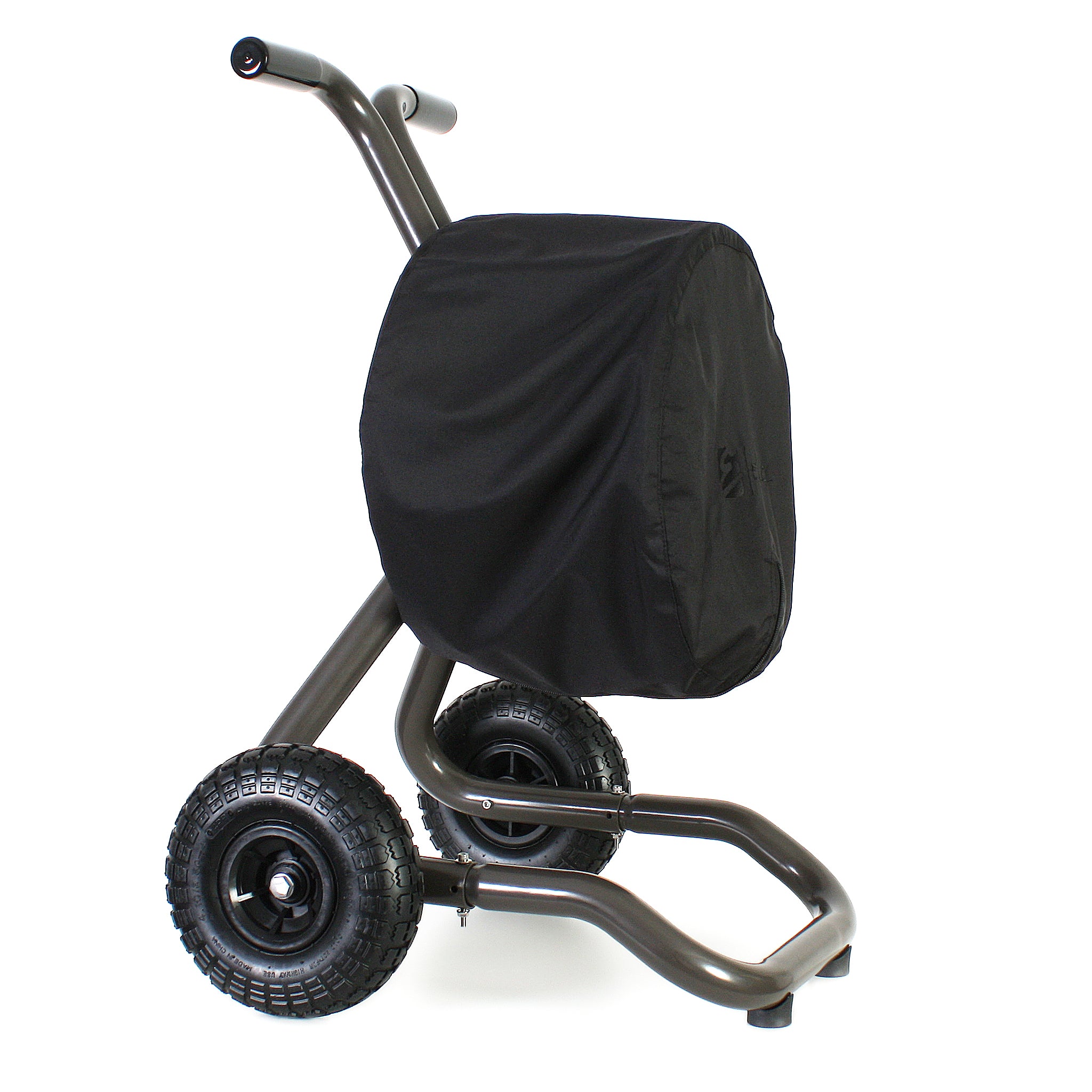
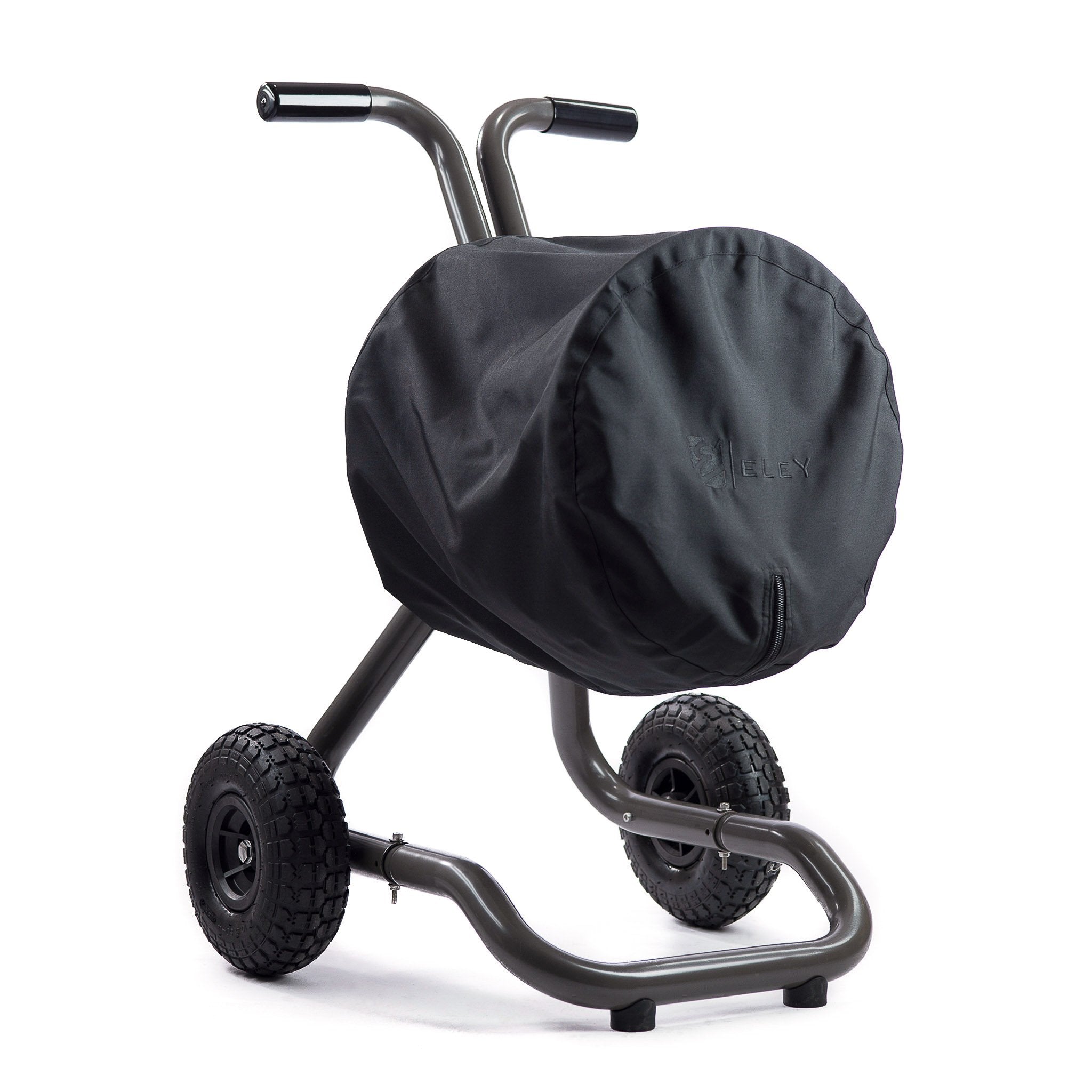
- Use an ELEY Hose Reel Cover when the reel will be unused.
While cleaning the reel, it is also a good opportunity to inspect its powder-coated surfaces for chips or damage.

Brass Changes With Time
Outdoor brass will not always retain the bright, polished appearance it had when new.
Brown spotting, darkening, and green or blue-green discoloration can all develop as brass reacts with moisture, minerals, salt, and other environmental conditions.
In most cases, these changes are purely cosmetic.
Gentle cleaning, periodically removing accumulated residue, and giving equipment additional attention in coastal environments can help maintain its appearance over time.
If you are unsure whether you are seeing normal tarnish or patina—or signs of another type of corrosion—contact ELEY Customer Support and send us a clear photo of the affected component. We’ll be happy to help identify what you’re seeing and recommend the appropriate next step.